
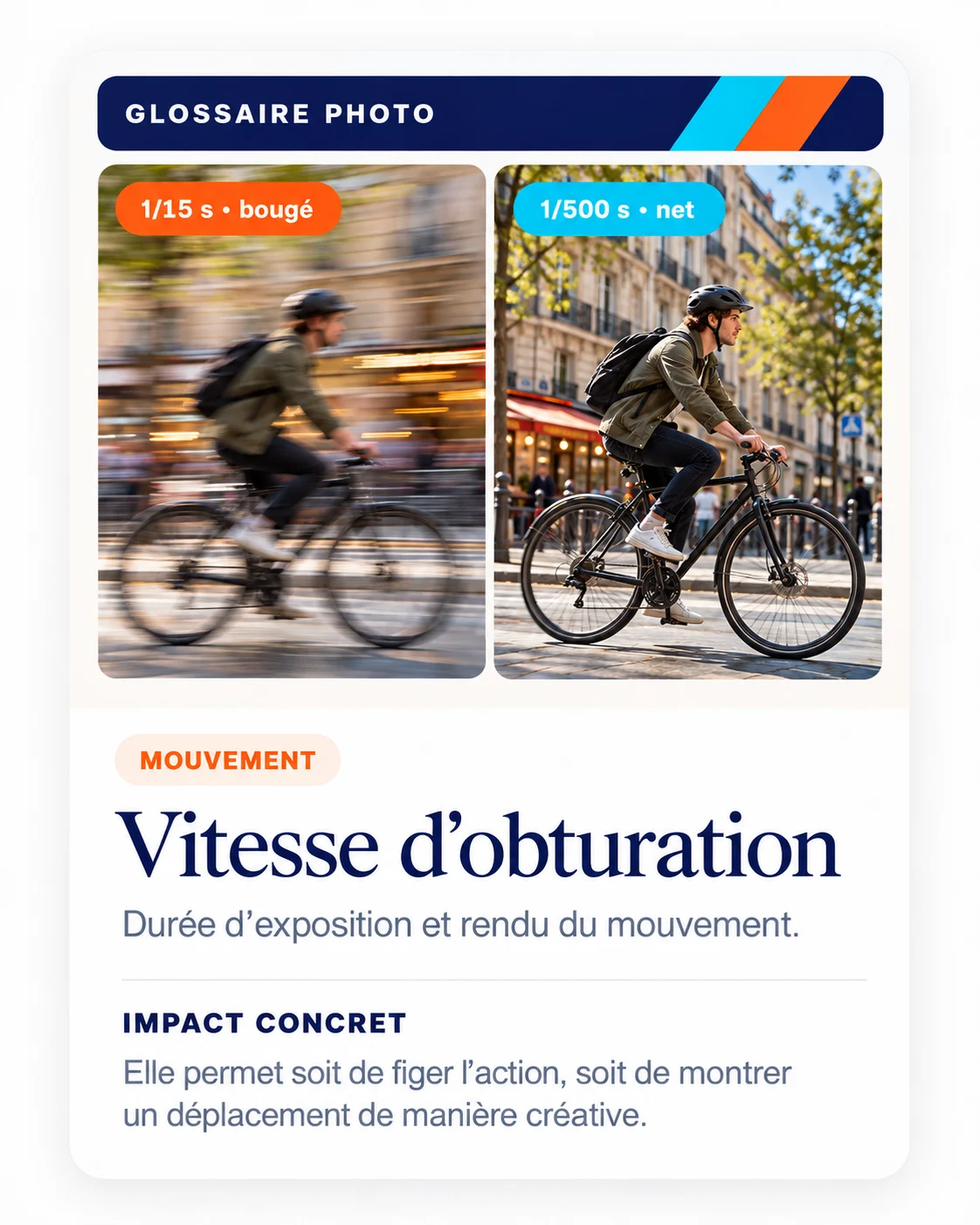
Sports photography settings: freeze action without killing the image
In sports photography, shutter speed usually comes first. If the subject is moving quickly, a technically clean exposure is not useful if the decisive moment is blurred. Start by deciding whether you want to freeze motion or deliberately show it.
Choose shutter speed before ISO
For running, field sports and fast movement, 1/1000 s is a common practical starting point. Slower action may work around 1/500 s, while very fast subjects can need even shorter exposures. Do not lower shutter speed simply to keep ISO low if the result is motion blur you did not intend.
Open the aperture when light is limited
A wide aperture such as f/2.8 or f/4 lets more light reach the sensor and can help separate the athlete from a busy background. The trade-off is reduced depth of field, so accurate focus becomes more important.
High ISO is often the correct choice
Indoor venues and evening matches frequently require ISO 1600, 3200 or more. Some noise is usually less damaging than a blurred subject. Modern cameras and editing software also handle noise better than many beginners expect.
If your results are soft, use our guide to diagnose blurry photos before changing every setting at once.
Autofocus and timing matter too
Continuous autofocus, subject tracking and burst shooting can increase your chances, but they do not replace anticipation. Watch where the action is likely to develop and leave space in the frame for the subject to move into.
Turn the scene into a settings recipe
Photo Coach can turn an intention such as “indoor basketball under poor lighting” or “cyclist in bright daylight” into a starting recipe for shutter speed, aperture and ISO. Use the camera settings guide to understand the trade-offs, then refine the result from your own images.